 Manufacturing
 Automobile
 Logistics
 Real Estate
 Agro
Agro Telecom
 FMCG
FMCG Hospitality
 Education
 NGO's
NGO's Aviation & Defense
 Automobile
 Mohd Shahid
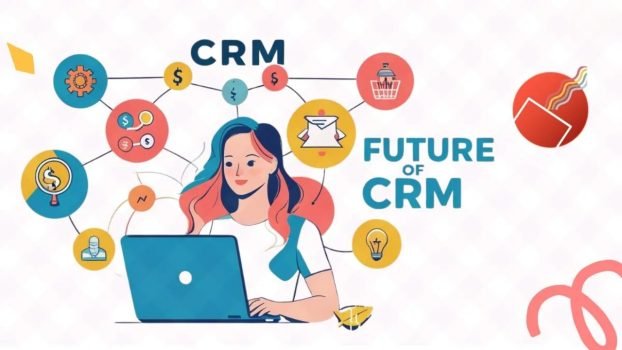
Manufacturing businesses often focus heavily on production, supply chains and operational efficiency. While these areas are critical, many companies overlook another important factor that drives long term success customer relationship management. In today’s competitive market, building strong relationships with customers is just as important as producing high quality products.
This is where manufacturing CRM software plays a vital role. Customer Relationship Management systems help companies organize customer data, manage sales activities and improve communication with clients. By using the right CRM tools, manufacturing companies can strengthen customer relationships and support sustainable business growth.
The Changing Role of Customer Management in Manufacturing
In the past, manufacturing companies mainly focused on production efficiency. Sales teams often managed customer information manually through spreadsheets, emails or basic databases. While this approach worked for small operations, it becomes difficult to manage as businesses grow.
When customer information is scattered across different systems, it becomes challenging to track communication, monitor sales opportunities or provide quick responses to client inquiries. This lack of organization can lead to missed opportunities and weaker customer relationships.
This is why many organizations are adopting CRM software for manufacturing companies to create a structured system for managing customer interactions and sales processes.
Centralizing Customer Information
One of the biggest advantages of CRM software is the ability to store all customer information in a single platform. Manufacturing businesses often deal with multiple clients, distributors, suppliers and partners. Managing these relationships effectively requires accurate and organized data.
CRM systems allow companies to store customer profiles, purchase history, communication records and sales activities in one place. When sales representatives or support teams need information, they can access it instantly without searching through emails or spreadsheets.
This centralized approach improves efficiency and ensures that every team member works with the same accurate data.
Improving Sales Management
Sales processes in manufacturing can be complex. Companies often handle large orders, long negotiation cycles and multiple decision-makers. Without a proper system, tracking these activities becomes difficult.
CRM software helps sales teams monitor leads, manage opportunities and track the progress of each deal. Managers can view the entire sales pipeline and identify which opportunities are likely to convert into sales.
With better visibility into sales activities, businesses can improve forecasting and allocate resources more effectively.
Strengthening Customer Relationships
Strong customer relationships are the foundation of business growth. When companies understand their customers’ needs and communicate effectively, they can build long-term partnerships.
CRM systems help manufacturing companies track interactions with customers, including emails, meetings and service requests. This information allows businesses to respond quickly and provide personalized service.
When customers feel valued and supported, they are more likely to continue working with the company and recommend its products to others.
Enhancing Collaboration Between Teams
In many manufacturing organizations, sales, marketing and customer support teams work separately. When information is not shared effectively, communication gaps can occur.
CRM software connects these teams through a unified platform. Sales teams can share updates about customer requirements, while support teams can track service requests and issues. Marketing teams can also analyze customer data to create targeted campaigns.
This improved collaboration helps businesses deliver a better customer experience and maintain stronger relationships with clients.
Supporting Business Expansion
As manufacturing companies expand into new markets, managing customer relationships becomes more complex. Businesses may deal with clients across different regions, industries, or distribution channels.
CRM systems provide the structure needed to manage these relationships efficiently. Companies can track customer activity, monitor sales performance and identify new growth opportunities.
Businesses that operate across multiple sectors sometimes use CRM tools similar to those used in CRM software for logistics companies, where customer coordination and communication are essential for smooth operations.
Better Data and Business Insights
Modern CRM platforms provide valuable insights into customer behavior and sales performance. Businesses can analyze which products are most popular, which customers generate the highest revenue and which sales strategies are most effective.
These insights help companies make smarter decisions about marketing strategies, pricing and product development.
Access to accurate data allows manufacturing businesses to plan future growth more confidently and respond quickly to changing market demands.
Improving Customer Service
Customer service plays an important role in maintaining long term business relationships. Manufacturing clients often require technical support, product updates or assistance with orders.
CRM systems help support teams manage customer requests efficiently. Service representatives can view previous interactions and quickly understand the customer’s needs. This allows them to provide faster and more accurate support.
Better customer service strengthens trust and increases customer satisfaction, which contributes directly to business growth.
Conclusion
Manufacturing companies today must focus not only on production efficiency but also on building strong relationships with their customers. Managing customer interactions through manual systems or disconnected tools can limit growth and reduce efficiency.
By implementing manufacturing CRM software, businesses can organize customer information, improve sales management and strengthen communication with clients. These improvements help companies create better customer experiences and build long-term partnerships.
Solutions such as CRM software for manufacturing companies enable organizations to streamline customer management and support sustainable business growth in an increasingly competitive market.