 Manufacturing
 Automobile
 Logistics
 Real Estate
 Agro
Agro Telecom
 FMCG
FMCG Hospitality
 Education
 NGO's
NGO's Aviation & Defense
 Automobile
 Mohd Shahid
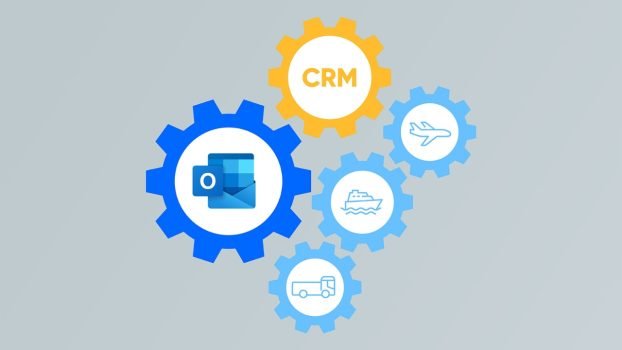
Logistics companies operate in a fast paced environment where managing shipments, tracking deliveries and maintaining strong customer relationships are essential. Clients expect quick responses, accurate updates and reliable service at every stage of the delivery process. When customer information and communication records are managed through emails, spreadsheets, or disconnected tools, it becomes difficult to maintain efficiency.
This is why many businesses are now using logistics CRM software to organize customer data and improve communication. A Customer Relationship Management system helps logistics companies manage client interactions, monitor service requests, and provide faster support. By using CRM technology, companies can handle customer relationships more efficiently and maintain better control over their operations.
The Importance of Client Management in Logistics
Client management plays a major role in the success of logistics companies. Businesses often work with multiple clients, distributors and partners at the same time. Each client may have different requirements, delivery schedules and service expectations.
Without a proper system, tracking customer communication becomes difficult. Important information may get lost in email threads or spreadsheets, making it harder for employees to provide accurate updates. These communication gaps can affect service quality and lead to client dissatisfaction.
By implementing CRM software for logistics companies, businesses can create a centralized system that organizes all customer interactions and service details in one place.
Centralized Customer Information
One of the key advantages of CRM systems is the ability to store customer information in a single platform. Logistics companies handle large volumes of data related to clients, orders and delivery schedules. Managing this data manually can lead to errors and delays.
CRM software keeps client profiles, contact details, service history, and communication records organized within one system. Employees can quickly access important information without searching through multiple sources.
This centralized approach helps logistics teams respond to customer inquiries faster and maintain consistent communication.
Better Communication With Clients
Clear communication is critical in logistics operations. Clients often want updates about shipments, delivery timelines, or order status. When companies fail to provide timely information, it can create frustration and reduce trust.
CRM systems help businesses track all communication with customers, including emails, calls and support requests. Sales and service teams can view previous conversations and understand the customer’s requirements before responding.
With better communication management, companies can provide faster responses and improve the overall customer experience.
Improved Sales and Lead Tracking
Logistics companies not only manage deliveries but also work continuously to acquire new clients. Sales teams must track potential leads, follow up with prospects and convert opportunities into long term business relationships.
CRM software helps sales teams manage these activities more efficiently. Leads can be recorded, tracked and monitored throughout the sales process. Managers can see which opportunities are progressing and which require follow up.
This organized approach improves sales performance and helps businesses expand their client base.
Enhanced Team Collaboration
In many logistics organizations, different teams handle different tasks such as customer support, operations and sales. When these teams use separate systems, important information may not be shared effectively.
CRM software connects departments through a unified platform. Customer updates, service requests and sales activities become visible to relevant teams in real time.
This transparency improves collaboration and ensures that employees work with accurate information. When teams communicate effectively, service quality improves and clients receive better support.
Better Service Management
Customer service is an important factor that influences client satisfaction. Logistics companies must respond quickly when clients report delays, delivery issues or order changes.
CRM systems help support teams manage service requests efficiently. Every customer issue can be recorded, tracked and resolved within the system. Employees can view past interactions and understand the context of each request before providing assistance.
This structured approach allows companies to resolve problems faster and maintain stronger relationships with their clients.
Valuable Business Insights
Modern CRM platforms provide useful insights that help businesses understand their customers better. Companies can analyze customer activity, service patterns and sales performance.
These insights help logistics companies identify their most valuable clients and understand which services are in highest demand. Businesses can then adjust their strategies to improve efficiency and increase revenue.
Organizations in other industries also benefit from CRM systems. For example, companies using CRM software for retail businesses rely on similar technology to manage customer interactions and improve service quality.
Supporting Business Growth
As logistics companies grow, managing customer relationships becomes more complex. Businesses may expand into new regions, handle more shipments and serve a larger number of clients.
CRM systems provide a scalable solution that helps companies manage this growth effectively. The platform can support larger customer databases, more sales activities and increased service requests without creating confusion.
By organizing customer data and improving communication, CRM software enables logistics companies to maintain high service standards even as their operations expand.
Conclusion
Efficient client management is essential for logistics companies that want to remain competitive and maintain strong customer relationships. Relying on manual systems or scattered communication tools can create delays and reduce service quality.
By adopting logistics CRM software, businesses can centralize customer information, improve communication and manage sales opportunities more effectively. Solutions such as CRM software for logistics companies help organizations streamline their client management processes and deliver better service to their customers.
With improved organization and data insights, logistics companies can strengthen client relationships, enhance operational efficiency and support long term business growth.